THINK
CULTURAL GIFTS
What do Black men bring into institutions, and what changes when those gifts are recognized?
 IZZA NATURAL TING
ROD HURLEY
IZZA NATURAL TING
ROD HURLEY
SCHOLARSHIP · TEACHING · CULTURE
Questions that matter inside classrooms, communities and institutions.
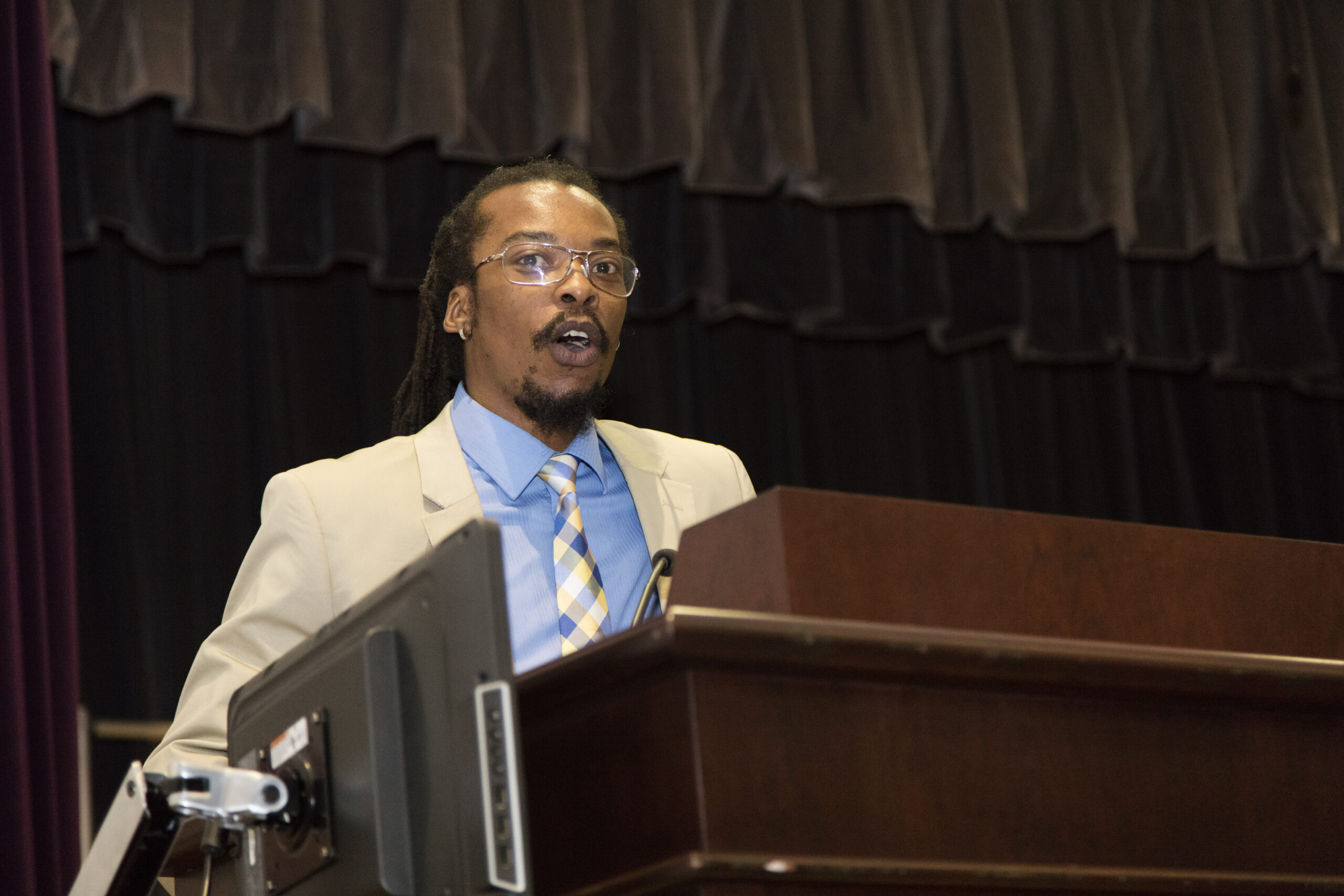
RODERICK HURLEY · SCHOLAR / TEACHER
Rod is a doctoral candidate in Critical Social/Personality Psychology at the CUNY Graduate Center and has taught psychology at the College of Staten Island since 2017.
His current research examines cultural gifts, success and belonging among Black male students and faculty at CUNY. His teaching and public work connect psychology with culture, institutions, community and the lives students bring into the room.
CURRENT PATHS
THINK
What do Black men bring into institutions, and what changes when those gifts are recognized?
THINK
Belonging takes shape through relationships, classroom environments and institutional structures.
THINK
A classroom can push students away, or become a place where new knowledge meets what they already know.
THINK
Success looks different when we ask who succeeded, what helped, and which communities, practices and structures made it possible.
THINK
Lyrics, performance and sound can say a lot about identity, culture, memory and how people live together.
THINK
Public scholarship carries rigorous ideas beyond specialist language.
Cultural gifts are the strengths, knowledge and ways of moving through the world that people carry from their communities into school.
The concept guides Rod’s current dissertation work.
Invite a conversation →Students do not walk into a classroom empty-handed. They bring knowledge, culture and lived experience with them.
Invite Rod